
Threat Intelligence
Threat Intelligence Feeds: Seven Practices for Operational Use
Raw feed data degrades detection accuracy unless you map each indicator to a specific attack technique and validate it against your current asset inventory.
Raw feed data degrades detection accuracy unless you map each indicator to a specific attack technique and validate it against your current asset inventory.

Misconfigured policies often grant more access than intended, turning zero trust into a complex permission system that fails during incident response.

A web application firewall often fails because it blocks only what it already knows, leaving novel logic flaws and encoded attacks to pass through to your backend systems.

Restricting process access rights removes the majority of credential theft risk without requiring complex application changes or constant monitoring.

Self-replicating code moves laterally through network shares, ignoring user interaction and bypassing standard endpoint controls that rely on human error.

Orphaned resources often remain active and billable long after their owning application is deleted, creating silent security gaps that standard cleanup scripts miss.

Data exfiltration often succeeds not through complex hacking, but by exploiting legitimate channels that security tools are configured to ignore or trust.

Misconfigured gateways often fail not from missing features, but from overly permissive default rules that bypass deep inspection for trusted senders.

Strategic intelligence converts raw telemetry into resource allocation decisions, revealing that most teams waste budget on data they cannot act upon.

Attackers rarely bypass authentication; they usually operate with legitimate credentials that your standard monitoring tools are configured to ignore.

Credential dumps allow attackers to bypass perimeter defenses by using stolen login data, turning weak authentication into full system compromise.

Proper MFA implementation reduces attack surface by ensuring that stolen credentials alone cannot grant access to critical systems and data.

Most API breaches happen not because hackers break in, but because the system fails to check if they are allowed to be there.

HTTP request smuggling exploits parsing differences between proxies and backend servers, allowing attackers to hijack other users' sessions or bypass security controls without exploiting code bugs.

Mass assignment fails when code trusts user input to update objects, allowing attackers to change roles or settings the application never intended to expose.

Attackers exploit human psychology rather than software flaws, making technical defenses insufficient against targeted deception.

The cloud attack surface shifts from network perimeters to identity and configuration, making traditional perimeter defenses ineffective against modern threats.

Rotating access keys reduces the window of compromise but often fails to stop attacks that exploit permissions or configuration errors rather than stolen credentials.

Store approval only verifies initial safety; malicious apps often activate hidden functions only after installation and user interaction.

A credit freeze blocks new account openings entirely, while a fraud alert merely adds a verification step that criminals can often bypass with stolen identity data.
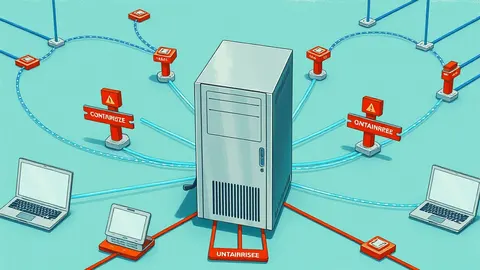
Role-based access control restricts API server requests, preventing lateral movement when a container workload is compromised by an attacker.

Most race conditions persist because developers assume operations are atomic when the underlying filesystem or database explicitly allows interleaved execution.

Most small business backups fail because they remain connected to the network, allowing ransomware to encrypt the recovery data before you can use it.

Attackers rarely forge the sender name; they exploit your trust in the original thread context and your muscle memory to bypass standard email filters.