
Cloud Security
Cloud Metadata Service Attacks: Response and Recovery Steps
Automated scripts harvest cloud credentials within seconds of exposure, forcing responders to isolate instances before rotating keys to prevent lateral movement.
Everything NetSec Tribune has reported about cloud security: 11 stories, newest first. Part of our Cloud Security coverage.
Automated scripts harvest cloud credentials within seconds of exposure, forcing responders to isolate instances before rotating keys to prevent lateral movement.

Small organizations often pay for shared infrastructure without realizing that weak tenant separation exposes them to data leakage from unrelated customers.

CIS Benchmarks provide a consensus-driven configuration baseline that reduces your cloud attack surface by hardening default settings.

Most cloud penetration tests fail because they treat infrastructure like traditional servers, ignoring the unique attack surface of APIs and identity services.
Small teams can secure cloud environments by automating detection and delegating complex forensics, avoiding the trap of manual log analysis that drains limited staff time.

Misconfigured policies often grant more access than intended, turning zero trust into a complex permission system that fails during incident response.

Orphaned resources often remain active and billable long after their owning application is deleted, creating silent security gaps that standard cleanup scripts miss.

The cloud attack surface shifts from network perimeters to identity and configuration, making traditional perimeter defenses ineffective against modern threats.

Rotating access keys reduces the window of compromise but often fails to stop attacks that exploit permissions or configuration errors rather than stolen credentials.
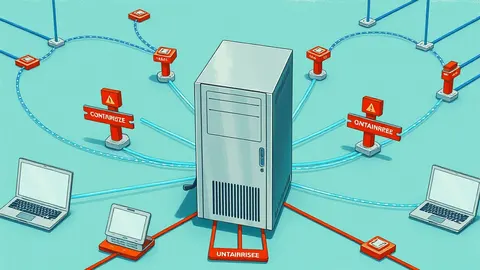
Role-based access control restricts API server requests, preventing lateral movement when a container workload is compromised by an attacker.

Identify why default settings fail, how to automate verification, and where human error bypasses your strongest encryption layers.