
Vulnerabilities
Pre-Authentication Vulnerabilities: 6 Misreadings That Expose Systems
Pre-authentication flaws bypass access controls entirely, allowing attackers to execute code or extract data without any valid credentials or session tokens.
Everything NetSec Tribune has reported about access control: 11 stories, newest first. Part of our Vulnerabilities coverage.
Pre-authentication flaws bypass access controls entirely, allowing attackers to execute code or extract data without any valid credentials or session tokens.

Attackers rarely breach networks directly; they move sideways through trusted connections to reach high-value targets while staying beneath detection thresholds.

Most exposed admin panels result from misconfigured default paths and missing authentication layers rather than complex software vulnerabilities.

Broken access control fails when servers trust client-side inputs to determine user permissions, allowing attackers to bypass intended boundaries without exploiting code logic errors.

Most data loss originates from authorized accounts that bypass perimeter defenses, making internal behavior harder to detect than external attacks.

Misconfigured policies often grant more access than intended, turning zero trust into a complex permission system that fails during incident response.

Rotating access keys reduces the window of compromise but often fails to stop attacks that exploit permissions or configuration errors rather than stolen credentials.
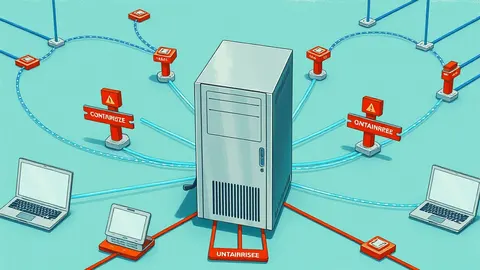
Role-based access control restricts API server requests, preventing lateral movement when a container workload is compromised by an attacker.

Assigning permissions to roles rather than individuals prevents privilege creep and simplifies access management when employees change jobs or leave the organization.

See how authorization failures allow unauthorized data access and how to architect defenses that enforce least privilege at every layer.

Identify why default settings fail, how to automate verification, and where human error bypasses your strongest encryption layers.